

What is SERV?
SERV is the complete AI suite to BUILD, LAUNCH, and RUN autonomous startups.

The Entrepreneur's Problem
Being a founder today is broken.
One person is expected to be:
- product & design
- engineering
- marketing
- community
- ops
- finance
- growth
That model doesn’t scale.
Most startups fail because of this, not because the idea was bad.
The SERV Answer
SERV replaces the “one human doing everything” model with a comprehensive AI team to build and operate startups autonomously.
Humans can:
- decide the direction
- approve the outputs
- maintain strategic oversight
The AI executes.
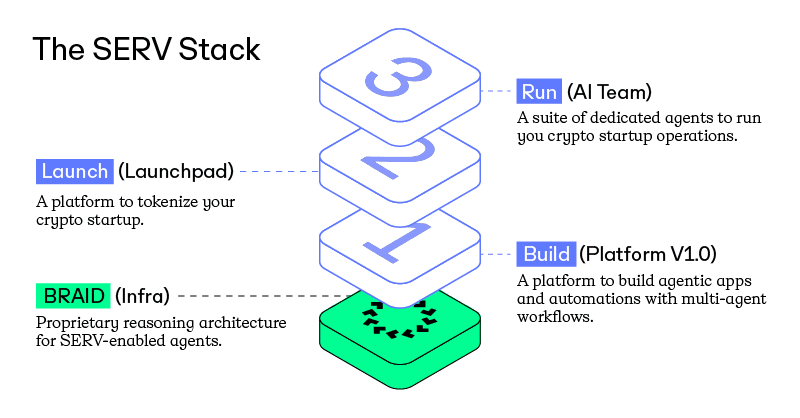
The Three Levers
SERV is built around the three things startups need leverage over:
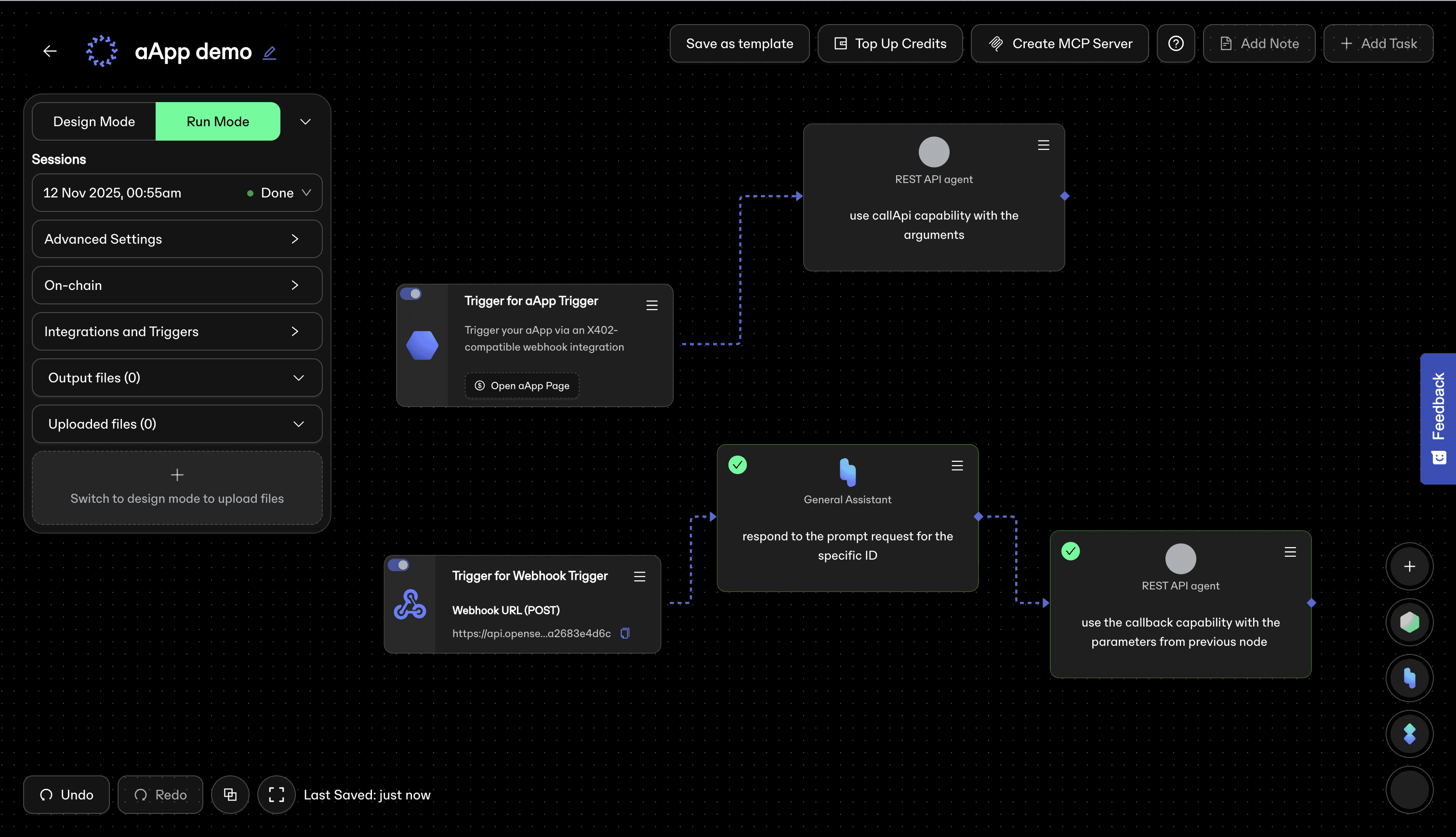
Leverage over software → BUILD
- A state of the art platform to build AI agents, AI native products, features, tools, and automations.
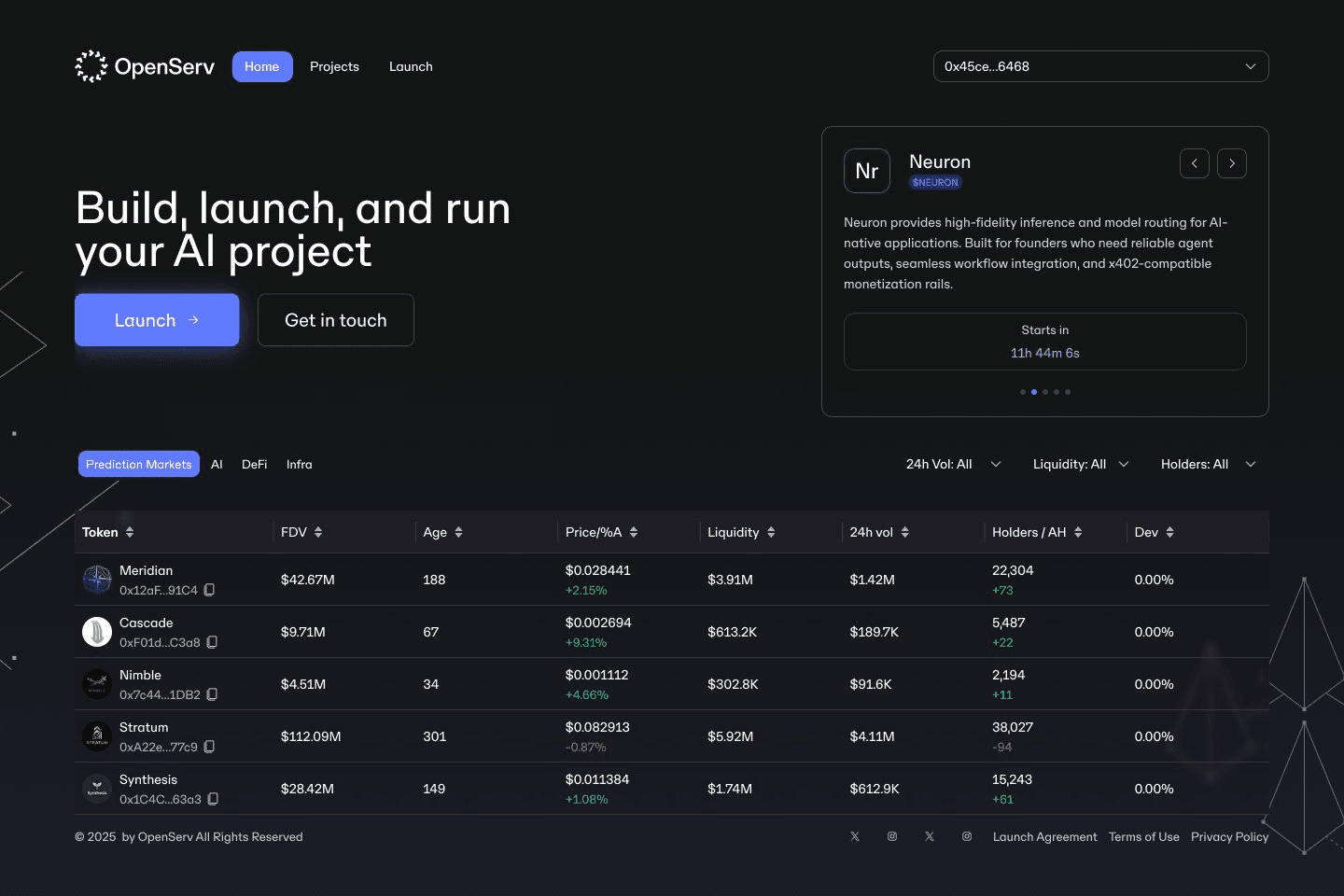
Leverage over capital → LAUNCH
- A tokenization platform for agents and startups to fund and monetize themselves.
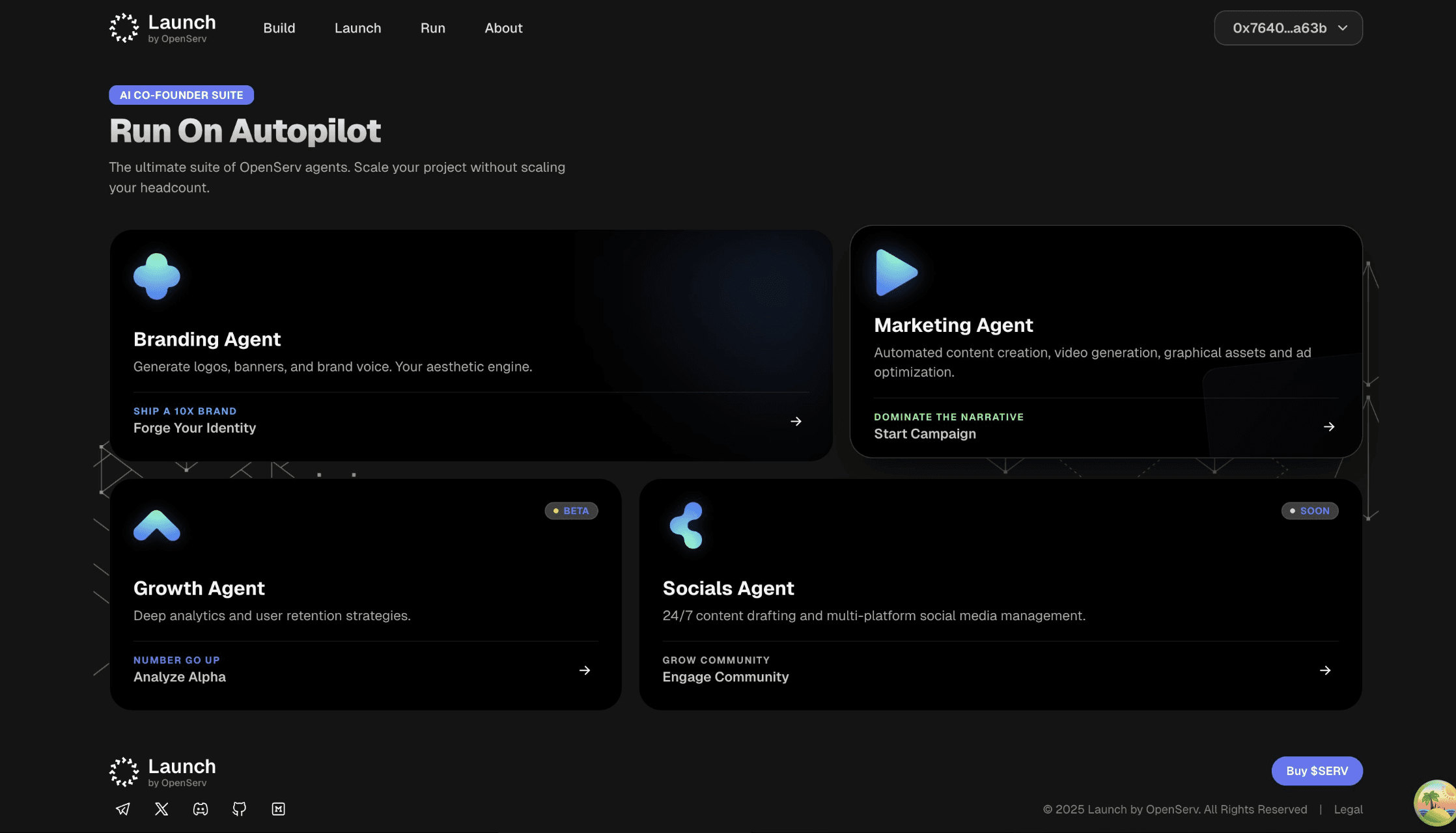
Leverage over labor → RUN
- A comprehensive suite of AI team members (built on the SERV AI Agent platform) to run all crucial startup operations from marketing to sales, growth, community, hiring, content and more.
Most products do one.
SERV does all three in one cohesive journey, all the way from idea to revenue.
The Secret Sauce
The SERV Reasoning Framework (formal name: BRAID): powering the entire stack and ecosystem.
After months of research and development we've produced an AI Reasoning Framework that can take any LLM and instantly make it smarter and more accurate for pennies on the dollar.
The propietary reasoning framework, known as BRAID (Bounded Reasoning for Autonomous Inference and Decisions) enables AI models to produce significantly more accurate results at a fraction of the normal cost.
Tested on state-of-the-art benchmarks, it significantly outperformed standard AI models like OpenAI's GPT-5, with more than 70x cost reductions.
In collaboration with Neol (https://www.neol.co/), the SERV Reasoning Framework is currently production across 10 enterprise and government projects, including the UAE government.
The SERV reasoning framework is the brains behind our entire tech-stack and every product, startup, and enterprise building on SERV inherits it by default.
🔗 Read more about it HERE
🔗 Read the Published Research Paper